
Call Us Now
+919716671968Enquiry Us
ddrsgarg25@gmail.com
Call Us Now
+919716671968Enquiry Us
ddrsgarg25@gmail.com

| Category | Melasma |
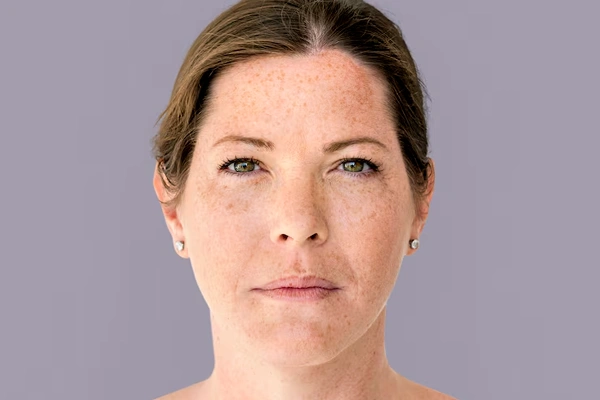
Melasma is a common skin condition that causes brown, gray-brown, or dark patches to appear on the face. It most frequently affects the cheeks, forehead, nose, upper lip, and chin. While melasma is not harmful or contagious, it can affect appearance and self-confidence. Early diagnosis and appropriate treatment can help reduce pigmentation, prevent worsening, and improve overall skin tone.
If you have persistent facial pigmentation or dark patches that do not fade, Dr. Sumit Garg provides comprehensive evaluation and personalized melasma treatment in Ghaziabad. Every patient receives a detailed skin assessment and an individualized treatment plan based on the severity of pigmentation and contributing factors.
The clinic is conveniently located at A47, Ashok Nagar, Block B, Nehru Nagar III, Nehru Nagar, Ghaziabad, Uttar Pradesh 201001, offering compassionate and patient-centered dermatological care.
Melasma is an acquired pigmentation disorder in which excess melanin is produced in certain areas of the skin, leading to symmetrical dark patches. It commonly develops on sun-exposed areas of the face and is more frequent in women, although men can also be affected.
Melasma often develops gradually and may worsen with continued sun exposure if left untreated.
Common symptoms include:
Melasma usually does not cause itching, pain, or discomfort.
Several factors may contribute to melasma, including:
Ultraviolet (UV) rays stimulate melanin production and are one of the leading triggers.
Hormonal fluctuations during pregnancy, oral contraceptive use, or hormone therapy may contribute to melasma.
A family history of melasma increases the risk.
Certain cosmetics or skin care products may worsen pigmentation in susceptible individuals.
Excessive heat and prolonged exposure to visible light may also contribute to persistent pigmentation.
You may have a higher risk of melasma if you:
Dr. Sumit Garg performs a comprehensive skin evaluation to determine the type and depth of pigmentation.
Assessment may include:
Treatment is tailored according to the severity of pigmentation and the individual's skin type.
Topical prescription creams may be recommended to reduce excess pigmentation under medical supervision.
Daily use of broad-spectrum sunscreen and protective measures is essential to prevent worsening and recurrence.
Selected patients may benefit from superficial chemical peels performed by qualified medical professionals.
Patients receive advice regarding:
Melasma often requires ongoing care and regular follow-up to monitor progress and reduce recurrence.
Timely treatment can help:
Patients choose Dr. Sumit Garg because of:
Healthy skin care habits can help prevent melasma from worsening:
No. Melasma is not contagious and cannot spread from one person to another.
Melasma is a chronic pigmentation disorder that can often be controlled effectively with treatment and strict sun protection, but recurrence is common if triggers are not managed.
Hormonal changes during pregnancy are a common trigger, which is why melasma is sometimes referred to as the "mask of pregnancy."
Yes. Daily use of broad-spectrum sunscreen is one of the most important steps in managing melasma and preventing recurrence.
You should seek medical evaluation if you develop persistent facial pigmentation, dark patches that increase over time, or pigmentation that affects your confidence or does not improve with routine skin care.
If you are concerned about facial pigmentation or melasma, early diagnosis and a personalized treatment plan can help improve your skin tone and prevent further pigmentation. Dr. Sumit Garg offers comprehensive evaluation, individualized treatment, and long-term care for effective melasma management.
Clinic Address:
A47, Ashok Nagar, Block B, Nehru Nagar III, Nehru Nagar, Ghaziabad, Uttar Pradesh 201001
Book your consultation with Dr. Sumit Garg today for expert melasma treatment in Ghaziabad and receive compassionate, evidence-based care for healthier, more even-toned skin.


