


| Category | Renal Stone |
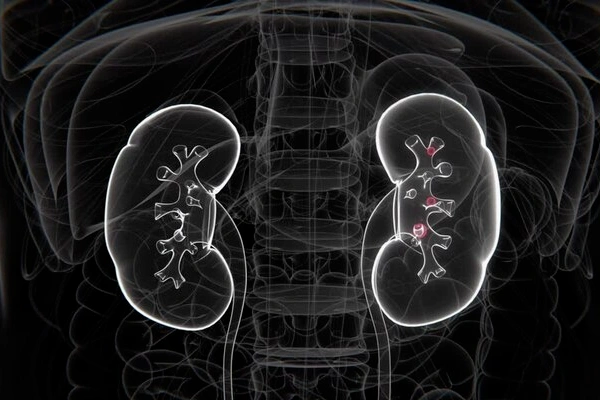
Kidney stones, also known as renal stones, are hard deposits of minerals and salts that form inside the kidneys. They can vary in size from tiny crystals to larger stones and may cause severe pain when they move through the urinary tract. Early diagnosis and appropriate treatment are important to relieve symptoms, prevent complications, and reduce the risk of recurrence.
If you are experiencing severe back pain, blood in the urine, or difficulty passing urine, Dr. Sumit Garg offers comprehensive kidney stone treatment in Ghaziabad. With accurate diagnosis, modern treatment options, and personalized care, patients receive effective management based on the size, location, and type of kidney stone.
The clinic is located at A47, Ashok Nagar, Block B, Nehru Nagar III, Nehru Nagar, Ghaziabad, Uttar Pradesh 201001, providing convenient access to expert urological care.
Kidney stones are solid crystals that develop when minerals such as calcium, oxalate, or uric acid become highly concentrated in the urine. These stones may remain inside the kidney or travel through the ureter, bladder, and urethra. Small stones often pass naturally, while larger stones may require medical treatment.
Without timely care, kidney stones can lead to urinary obstruction, infection, or kidney damage.
The most common types include:
Identifying the type of stone helps guide treatment and prevention strategies.
Symptoms may include:
Seek immediate medical attention if severe pain is accompanied by fever, chills, or inability to pass urine.
Kidney stones can develop due to several factors.
Not drinking enough fluids increases the concentration of minerals in the urine.
A diet high in salt, animal protein, or oxalate-rich foods may increase the risk in some individuals.
A family history of kidney stones can increase the likelihood of developing them.
You may be at greater risk if you:
Dr. Sumit Garg performs a detailed evaluation to confirm the diagnosis and determine the most appropriate treatment.
Diagnostic tests may include:
Treatment depends on the size, location, and composition of the stone, as well as the severity of symptoms.
Small stones may pass naturally with:
Treatment focuses on relieving symptoms, preventing infection, and supporting stone passage where possible.
Shock wave therapy may be recommended for selected stones to break them into smaller fragments that can pass more easily.
A thin instrument is inserted through the urinary tract to locate and remove or break the stone using specialized equipment.
Large or complex kidney stones may require a minimally invasive procedure in which the stone is removed through a small incision in the back.
Patients with recurrent stones may benefit from dietary advice, increased hydration, and treatment of underlying metabolic conditions to reduce the risk of future stones.
Early diagnosis and treatment can help:
Patients trust Dr. Sumit Garg for:
Healthy habits can reduce the risk of stone formation:
Yes. Small stones often pass naturally with adequate hydration and supportive treatment, while larger stones may require medical procedures.
Yes. Kidney stones can cause intense pain, especially when they move through the urinary tract.
Yes. People who have had one kidney stone are at increased risk of developing another. Preventive measures can help reduce recurrence.
No. Many stones can be managed with medications or minimally invasive procedures. Surgery is generally reserved for large, obstructing, or complicated stones.
Seek medical attention if you have severe flank pain, blood in the urine, fever, persistent vomiting, difficulty passing urine, or symptoms that do not improve.
If you are experiencing symptoms of kidney stones, early diagnosis and timely treatment can relieve pain and help prevent complications. Dr. Sumit Garg provides comprehensive evaluation, advanced treatment options, and personalized care to support your kidney health.
Clinic Address:
A47, Ashok Nagar, Block B, Nehru Nagar III, Nehru Nagar, Ghaziabad, Uttar Pradesh 201001
Book your consultation with Dr. Sumit Garg today for expert kidney stone treatment in Ghaziabad and receive individualized care tailored to your condition.


